Train Rides
The Glacier Express in Winter
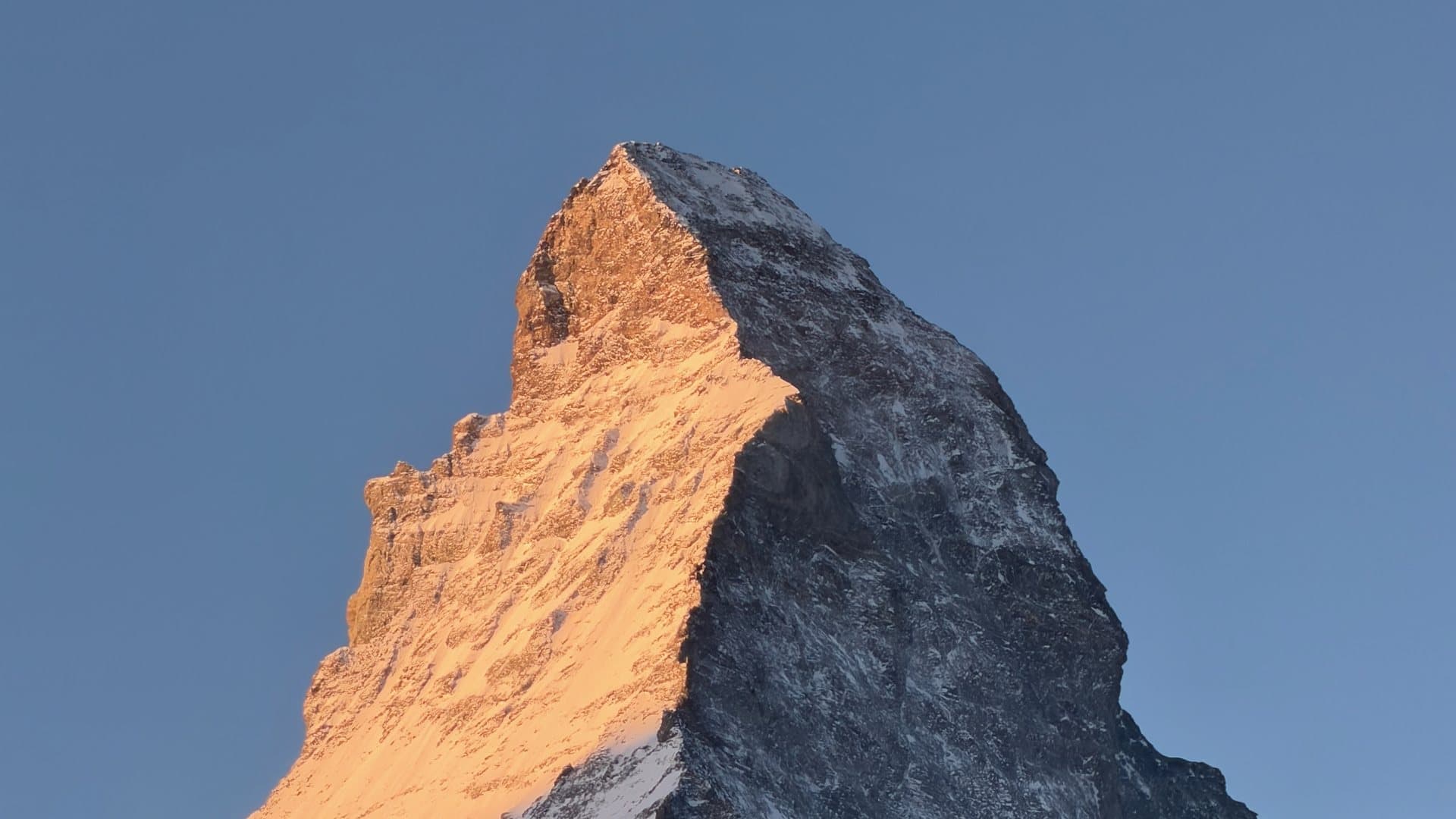
Matterhorn at dawn, then eight hours in second class from Zermatt to St. Moritz: over the Oberalp Pass, through the Rhine Gorge and across the Landwasser Viaduct.
Train Rides
St. Moritz to Tirano on the regular Rhaetian Railway train: snow, Lago Bianco, Alp Grüm, the Brusio spiral, and Italy at the bottom.
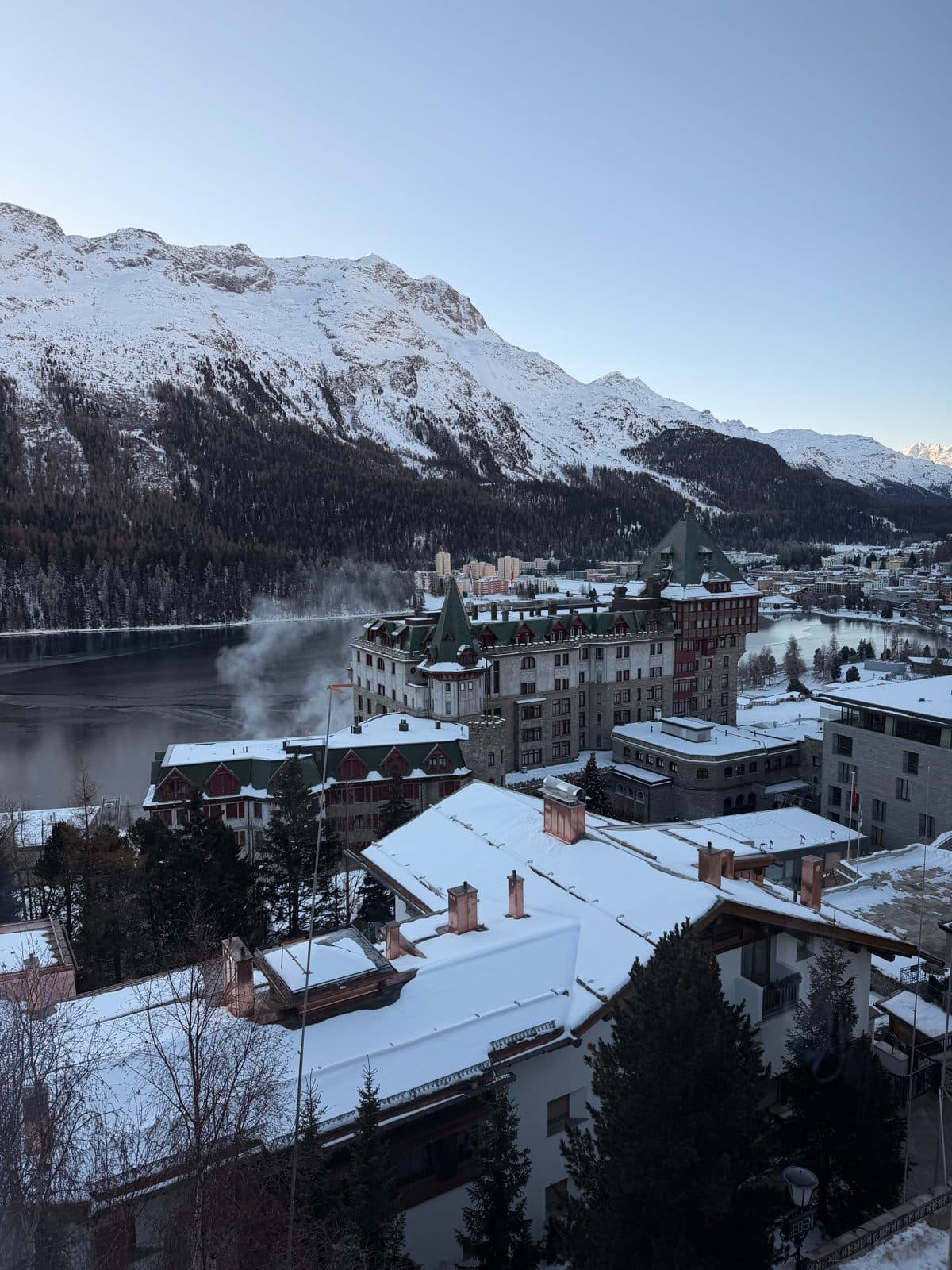
This was one day of a longer December trip through Switzerland by train. I came up to St. Moritz the day before on the Glacier Express (second class), and the Bernina was the day I'd been waiting for.
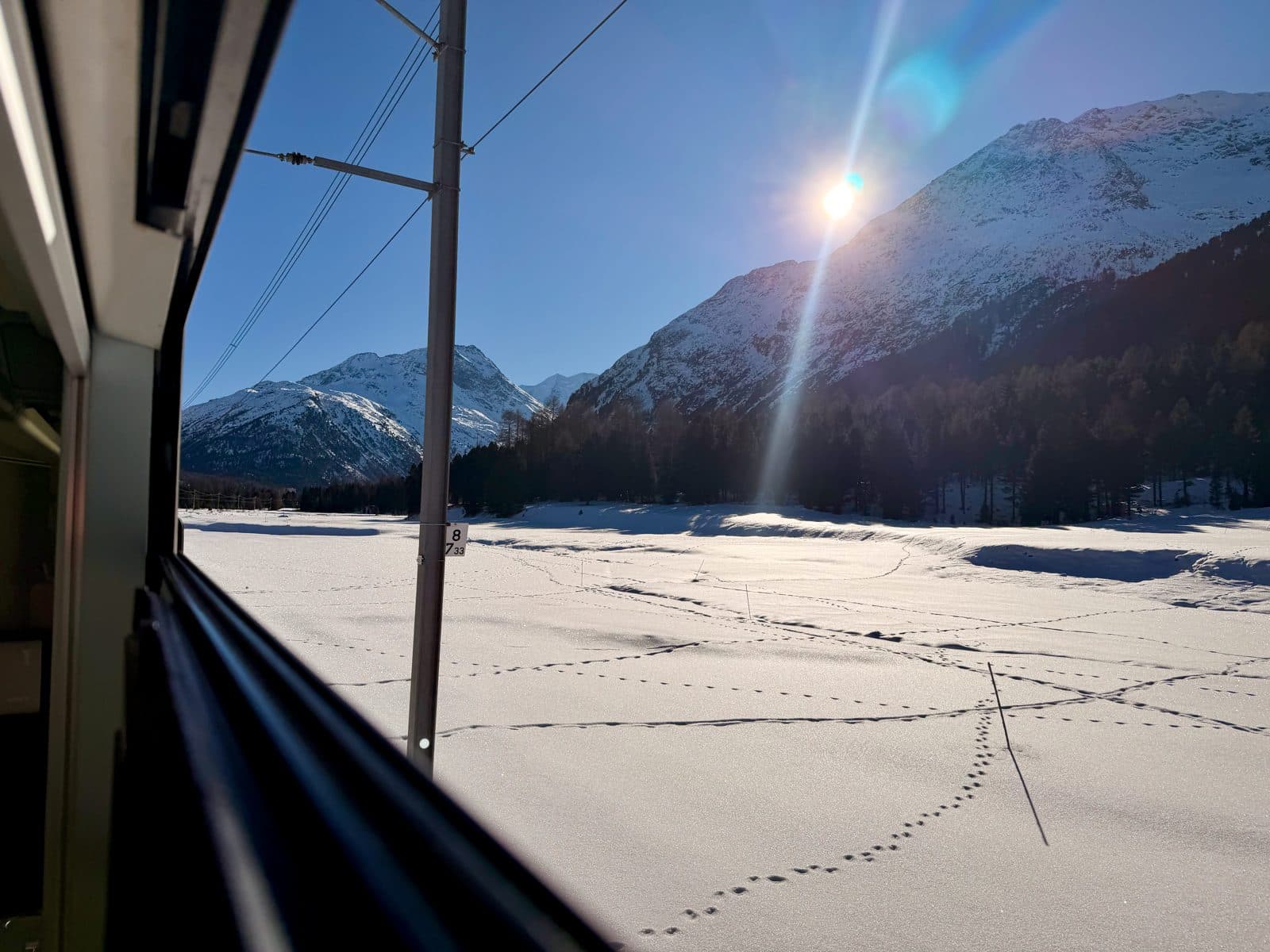
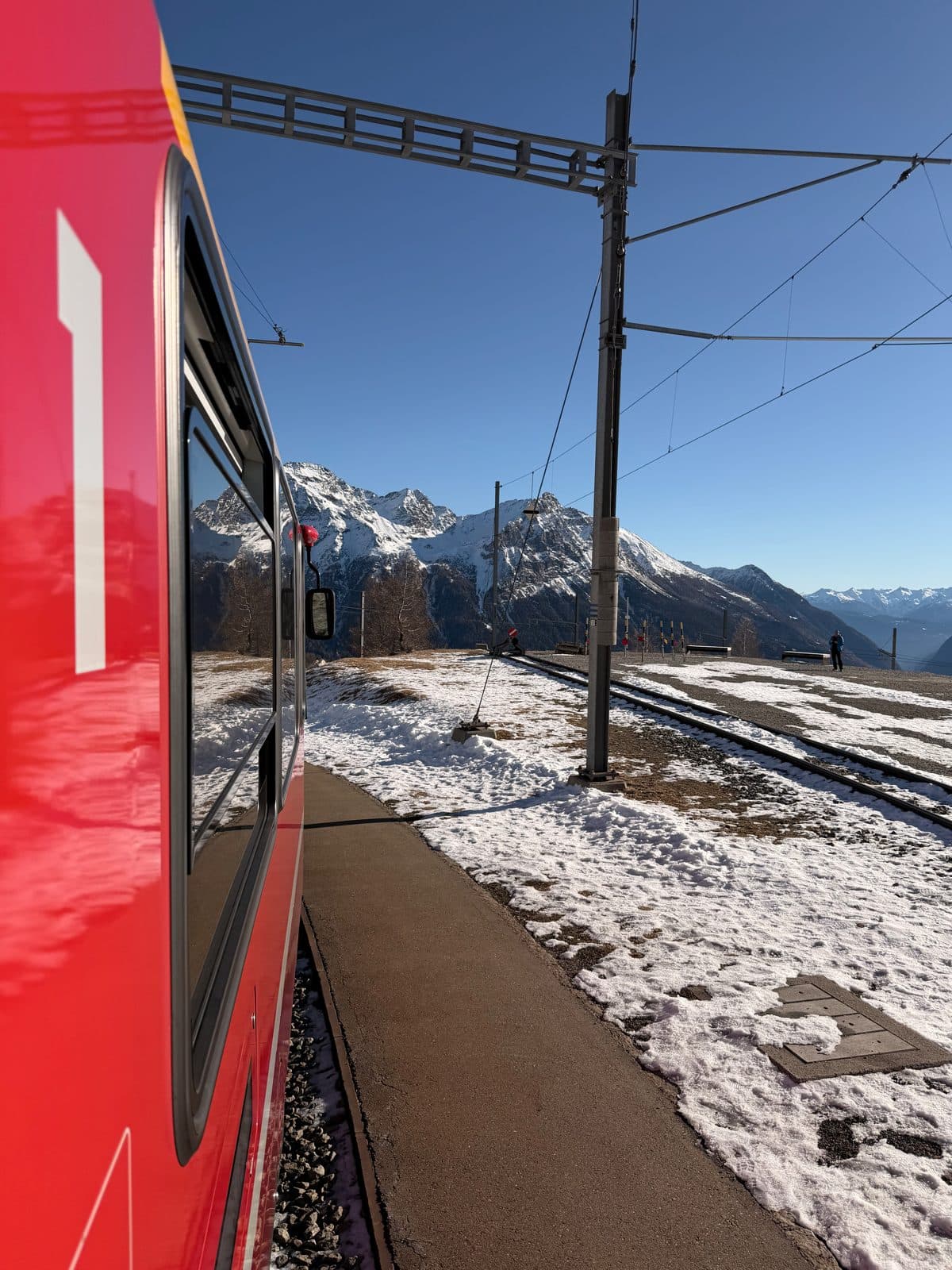
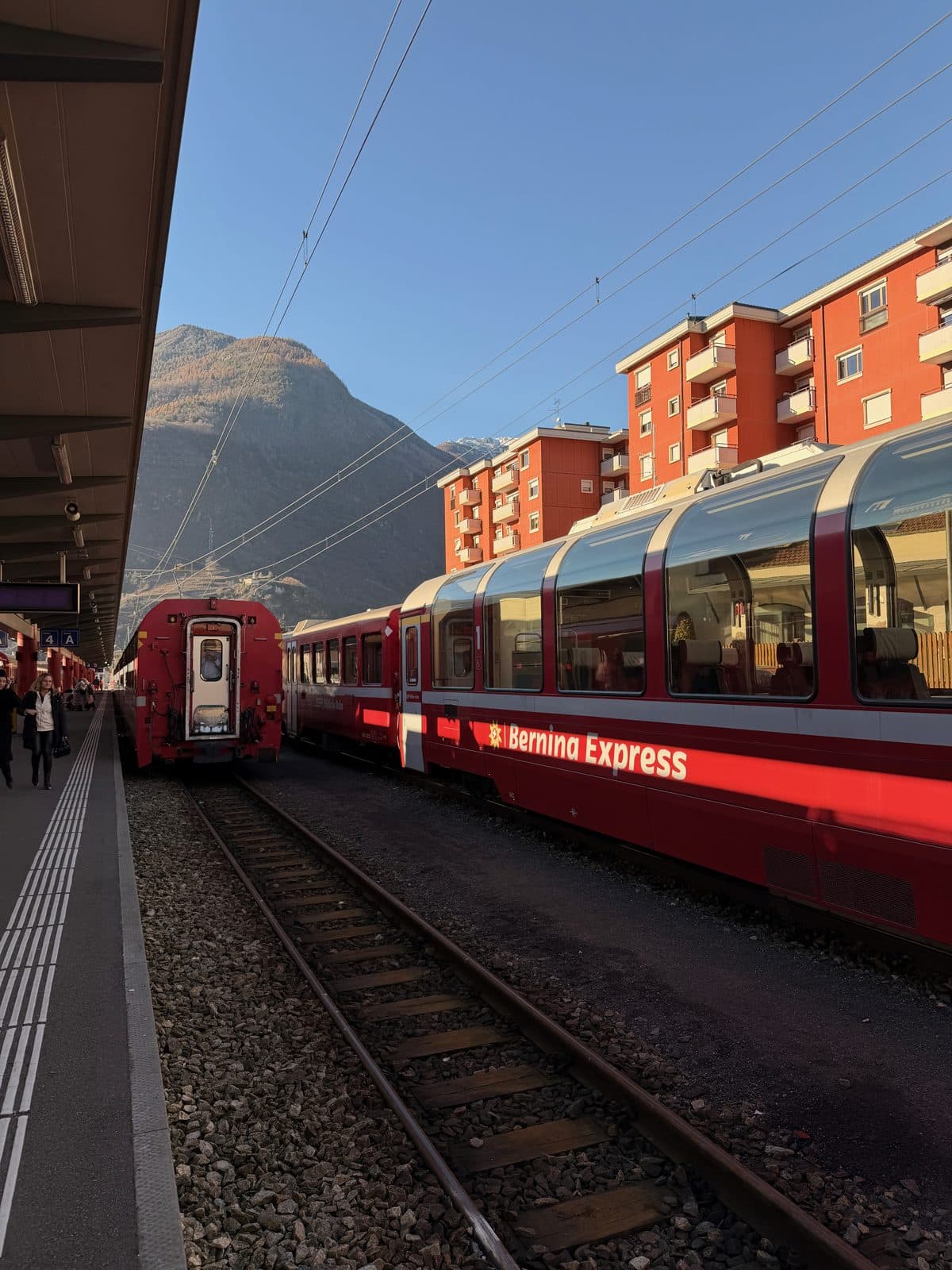
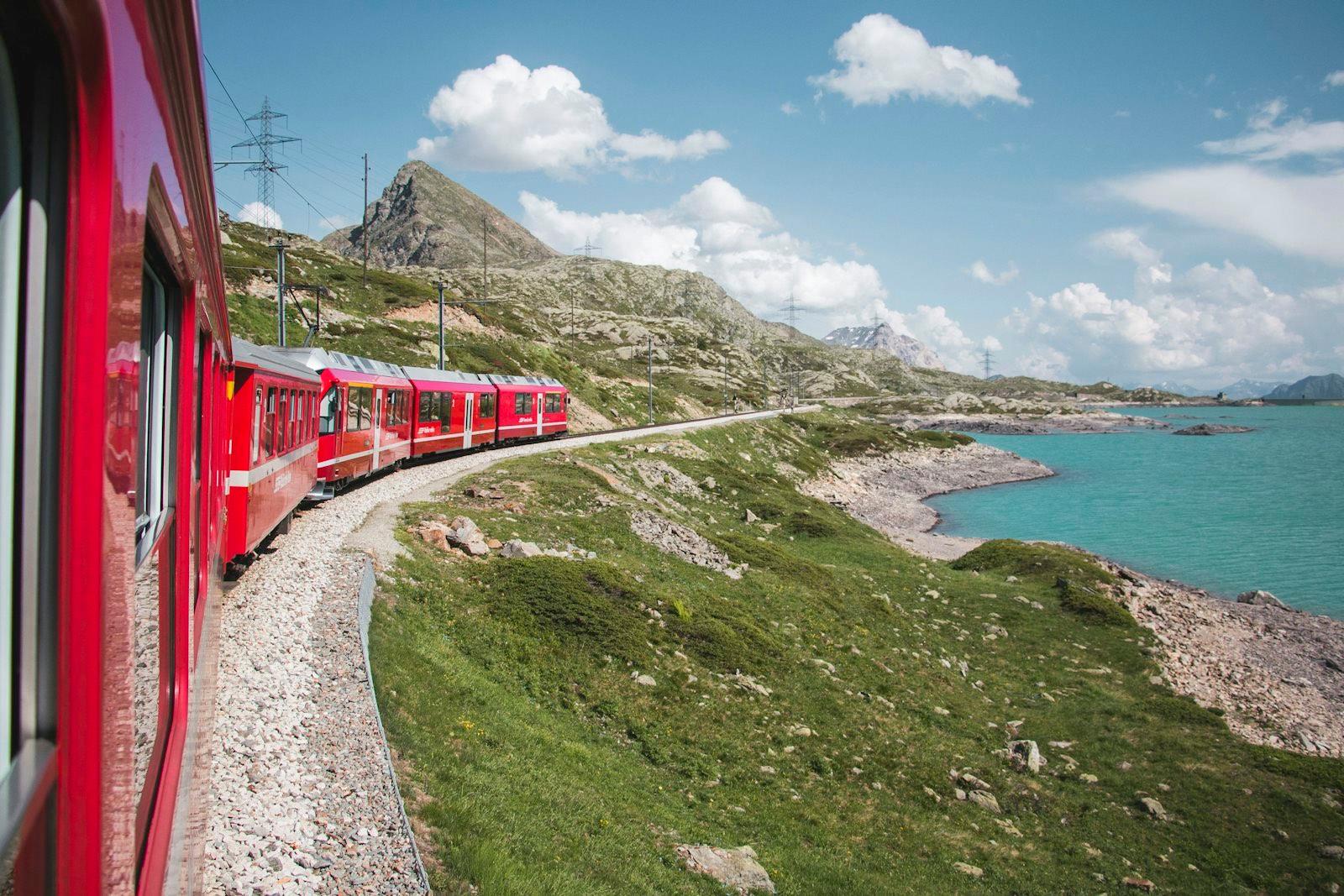
There's a dedicated Bernina Express with panoramic coaches, and it was sitting in the platform at Tirano when we arrived. We took the ordinary Rhaetian Railway regional train instead. It's red, it's cheaper, it stops everywhere, and the windows open, so you can lean out into the cold air and take photos without glass in the way.
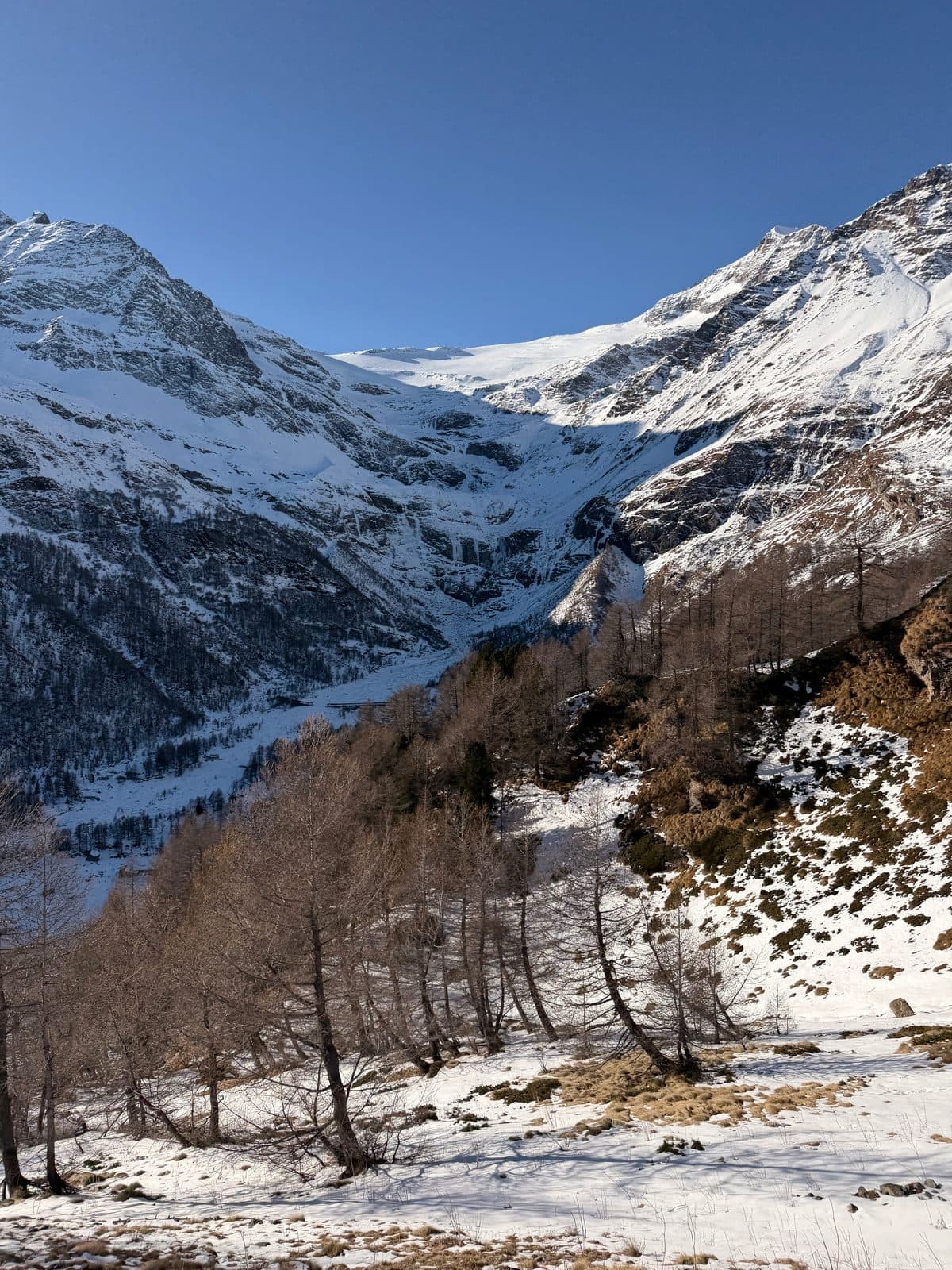
St. Moritz was frozen solid and bright under a hard blue sky. The line runs through Pontresina, out across snowfields criss-crossed with animal tracks, and up past the Morteratsch valley towards the pass.
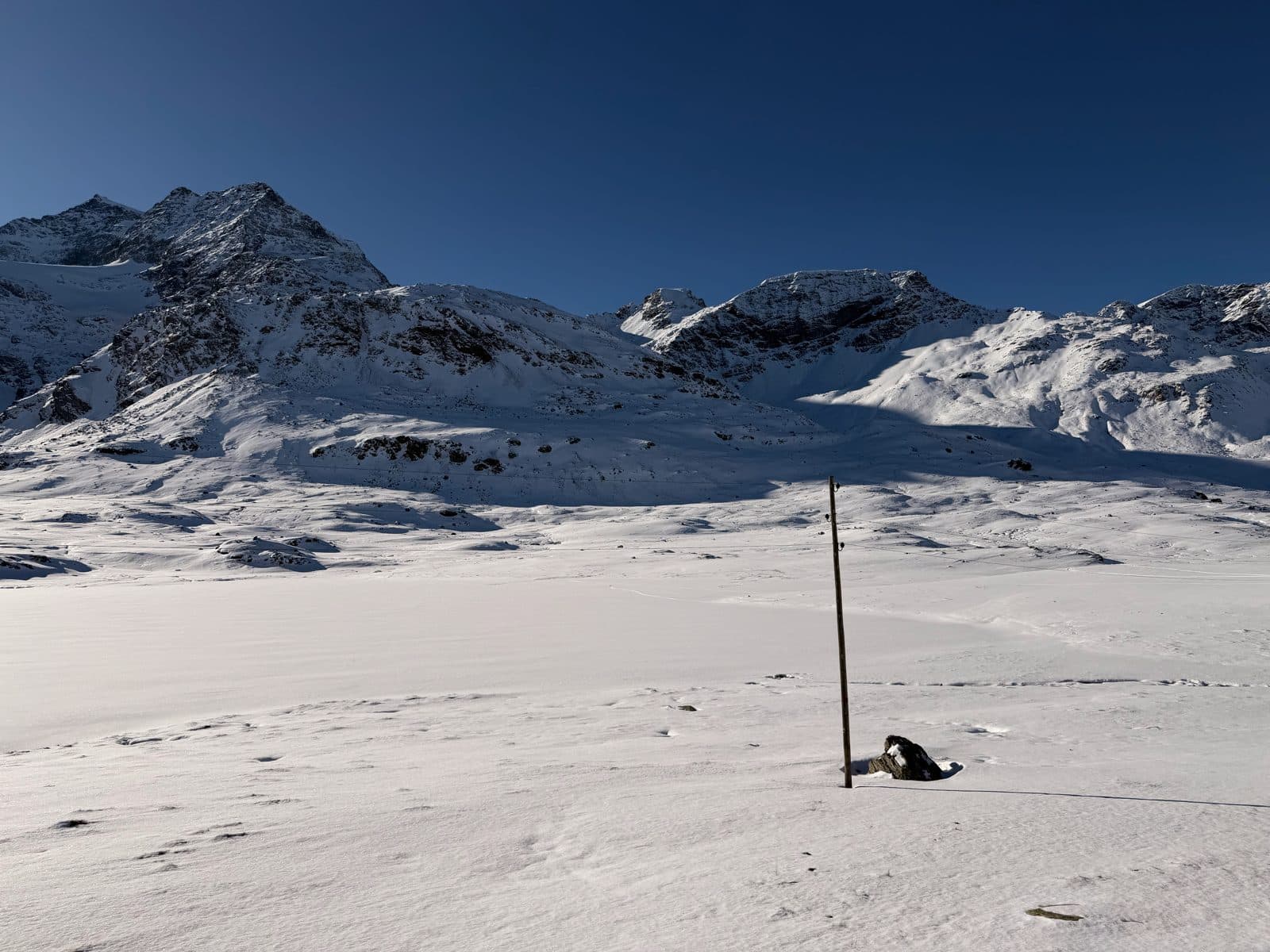
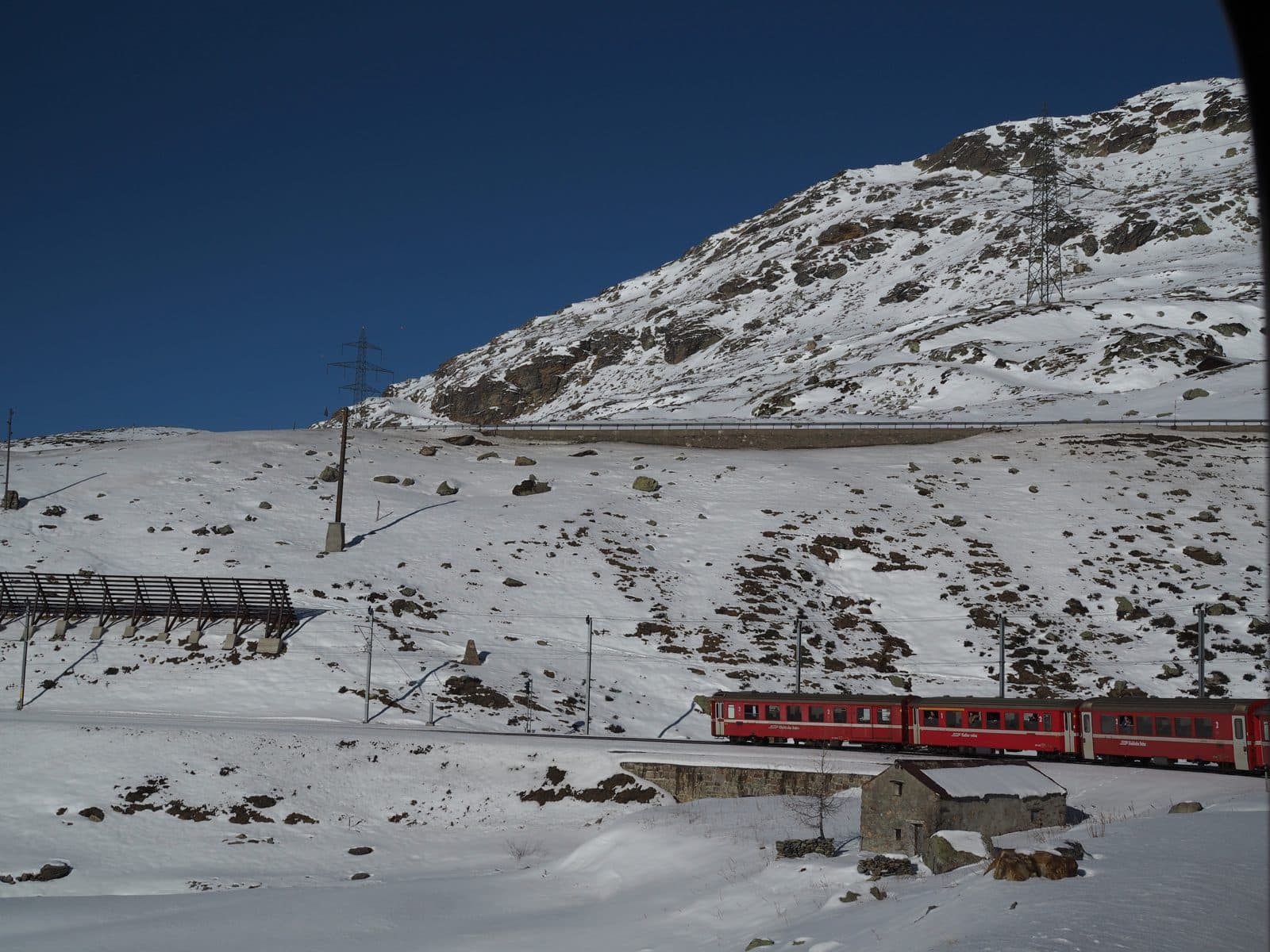
At the top, everything goes white. Lago Bianco was a flat sheet of snow, and the summit at Ospizio Bernina is around 2,250 m, one of the highest railway crossings in the Alps. Just below it, the train stops at Alp Grüm, a tiny station on a ledge with the whole of the Valposchiavo falling away beneath it.
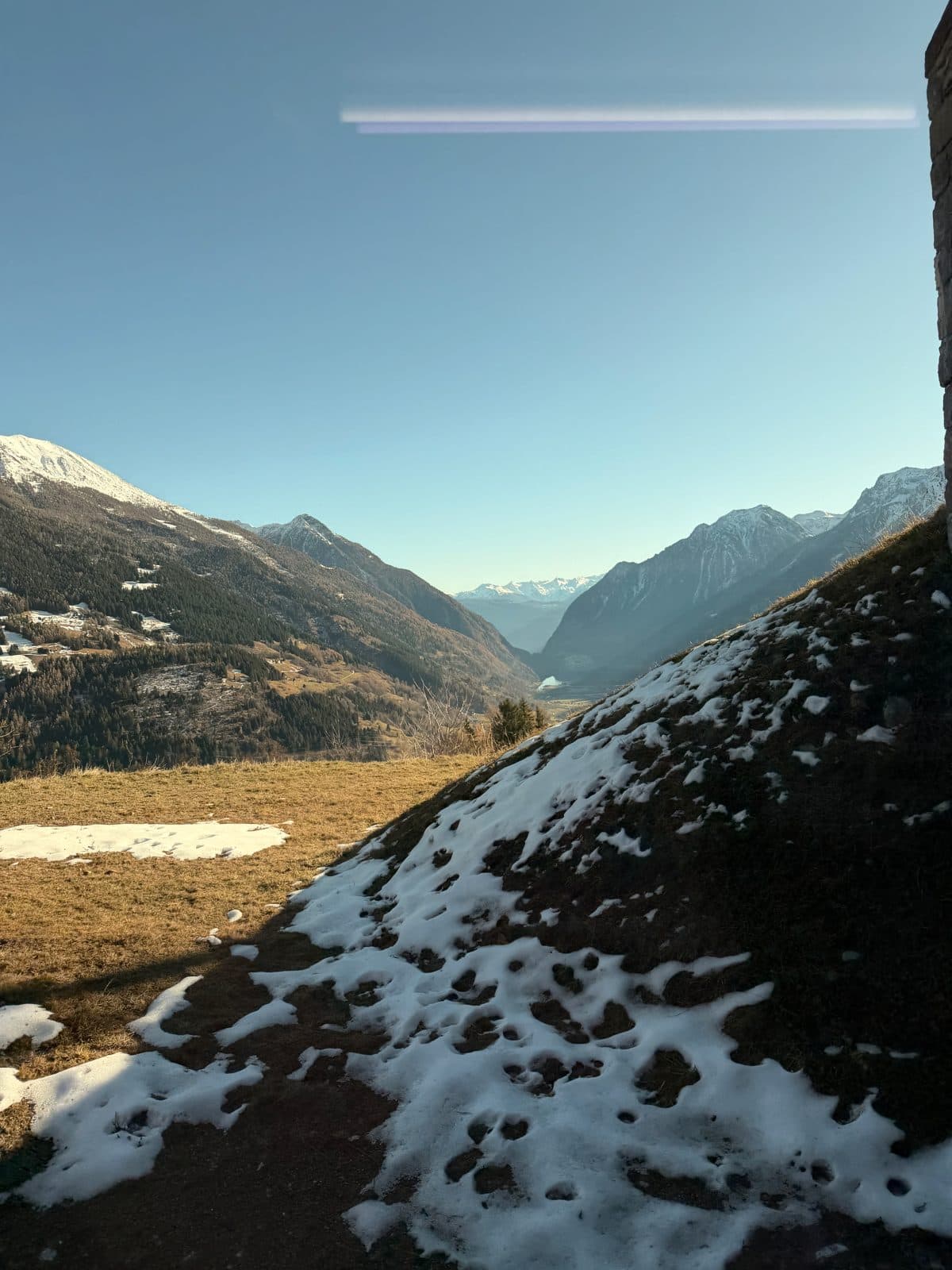
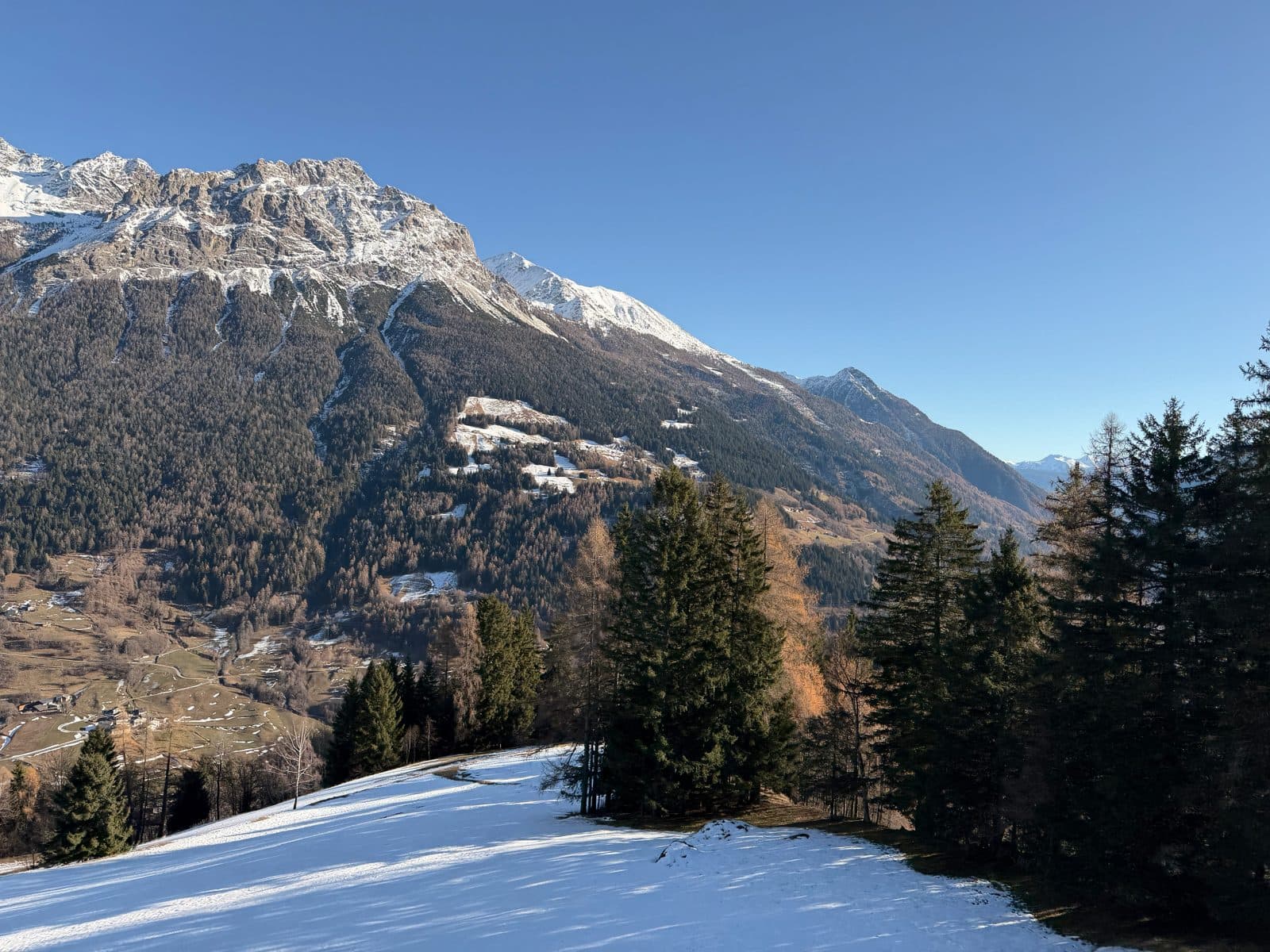
From there the line simply drops. It switchbacks down through larch and pine, the snow thins out, and you arrive in Poschiavo, where the signs are suddenly in Italian.
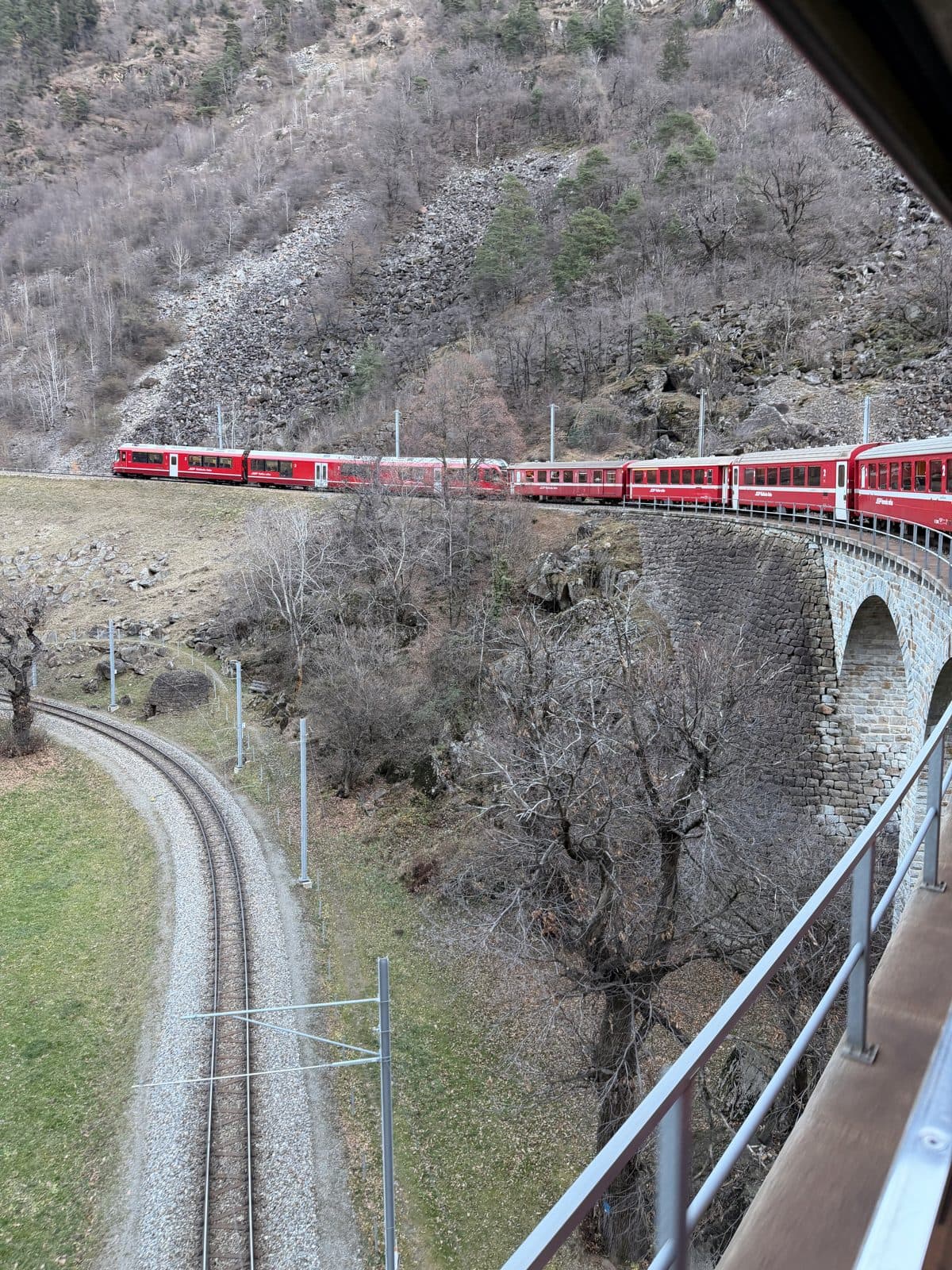
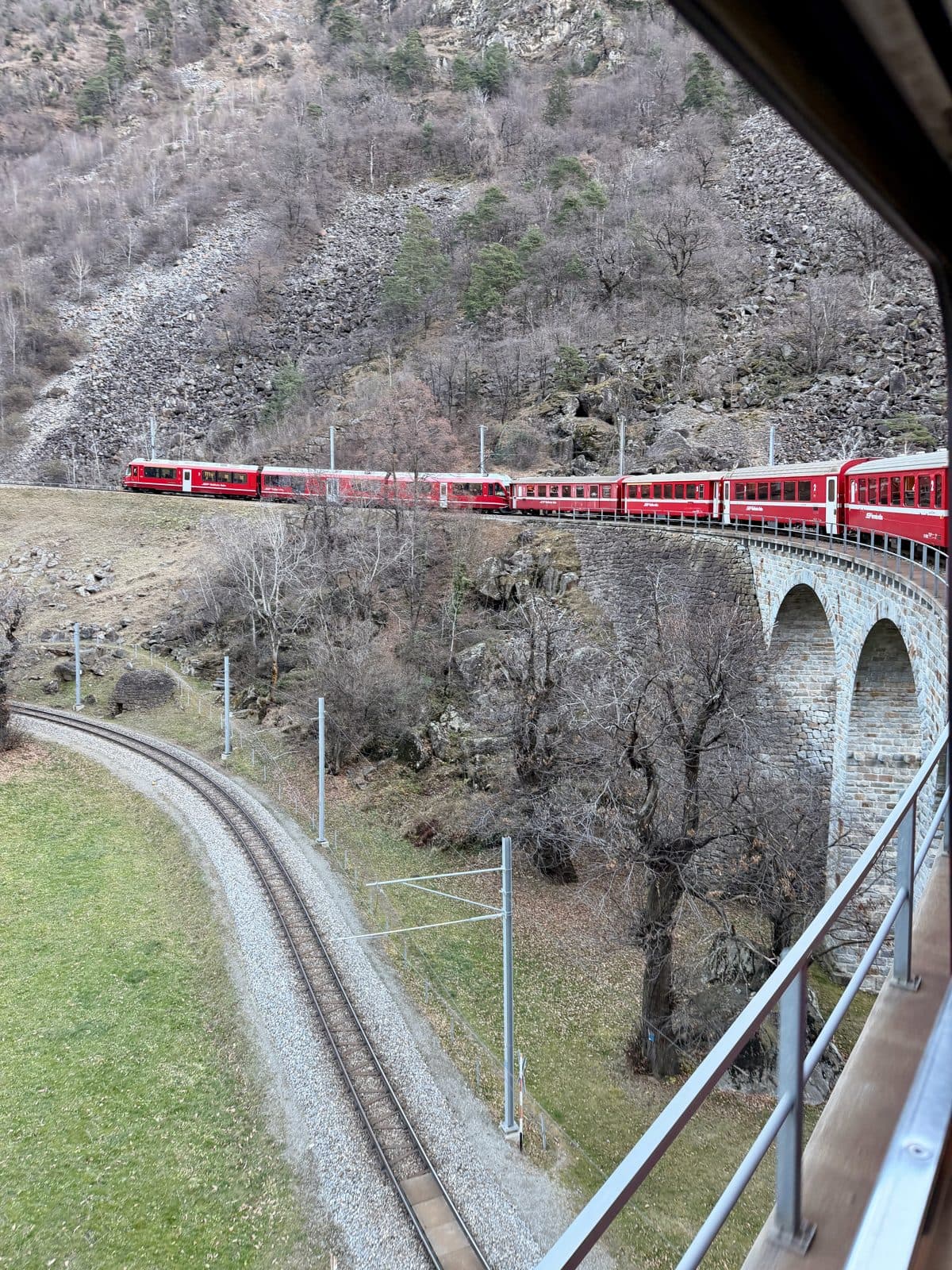
Then comes my favourite part of the whole trip: the Brusio spiral viaduct. The line loops a full circle on a stone viaduct to lose height, so from the back of the train you can watch the front of it curving round below you. There's no snow down here, just green grass and bare winter trees.
The line ends in Tirano, over the border in Italy, where the train runs right down the street to the station. There was time for a look around and the basilica of Madonna di Tirano.
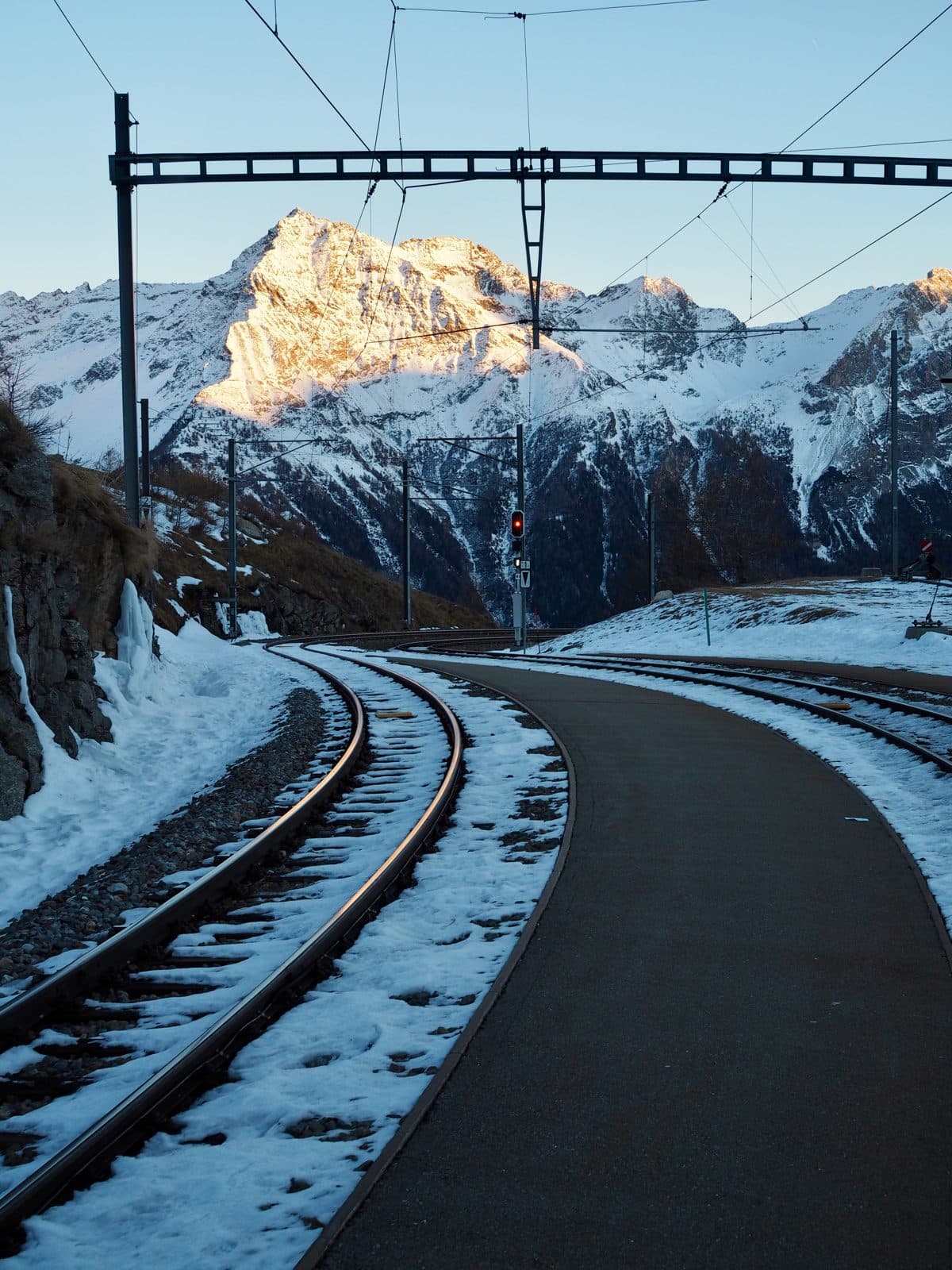
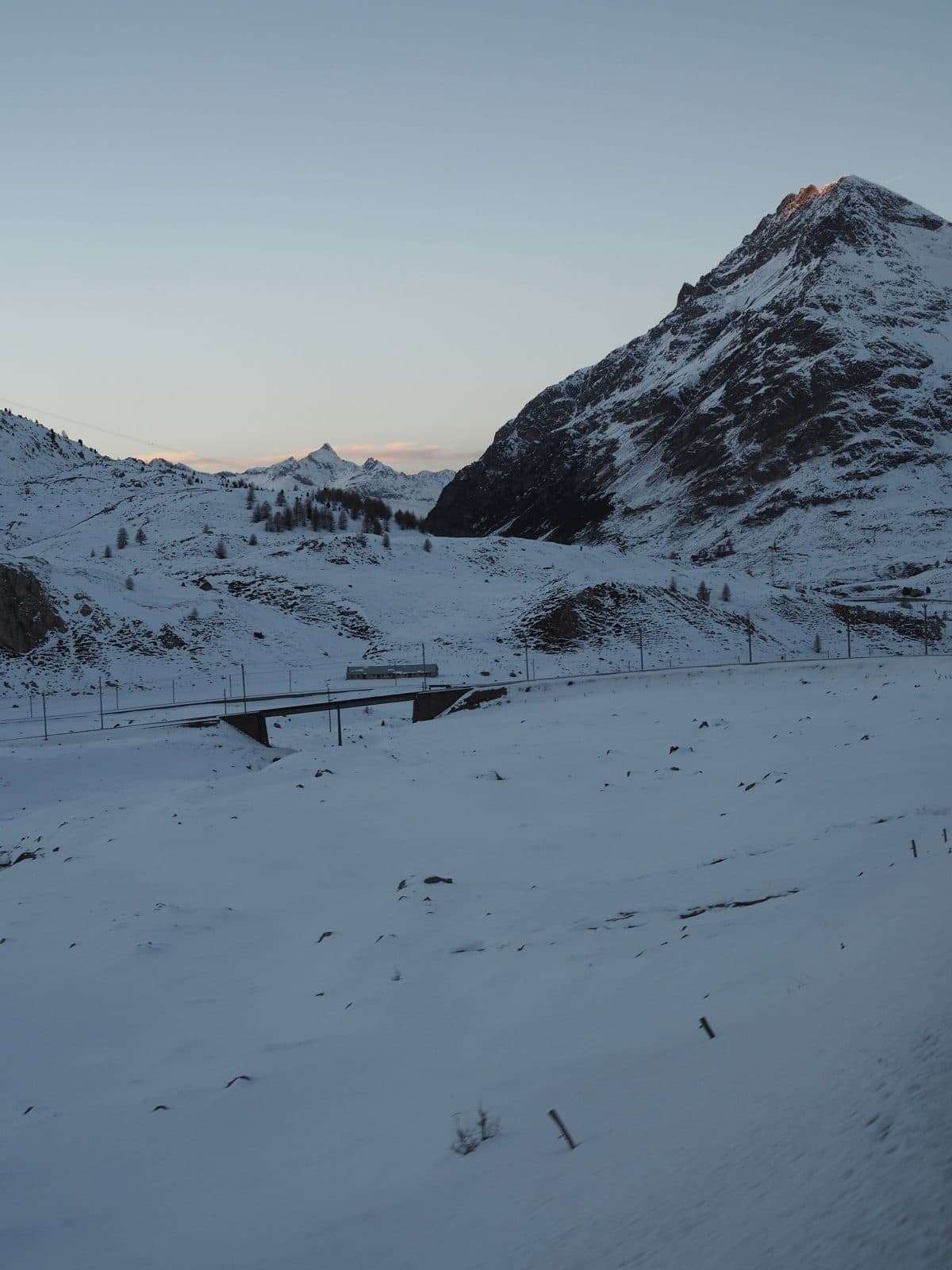
Coming back up, the light had gone cold and blue. Fresh snow lay on the tracks, the peaks were catching the last of the sun, and the same white plateau looked completely different.
The Bernina line and the Albula line together are a UNESCO World Heritage Site, and on a clear winter day it's easy to see why.
Train Rides
Matterhorn at dawn, then eight hours in second class from Zermatt to St. Moritz: over the Oberalp Pass, through the Rhine Gorge and across the Landwasser Viaduct.
Train Rides
A guidebook to 62 of the world's great train journeys, from the Orient Express to the Bernina, with my own list of rides to take and the ones already ridden.
Train Rides
Two days on the Rocky Mountaineer's First Passage to the West in SilverLeaf: Banff to Kamloops, then down the Fraser Canyon to Vancouver.